
 Tiếng Việt

Cultivation Techniques, news
Biotech researchers say rapid test detects seafood pathogen Vibrio in just 30 minutes
New rapid test for Vibrio parahaemolyticus in seafood offers quick, low-cost solution, potentially averting foodborne outbreaks
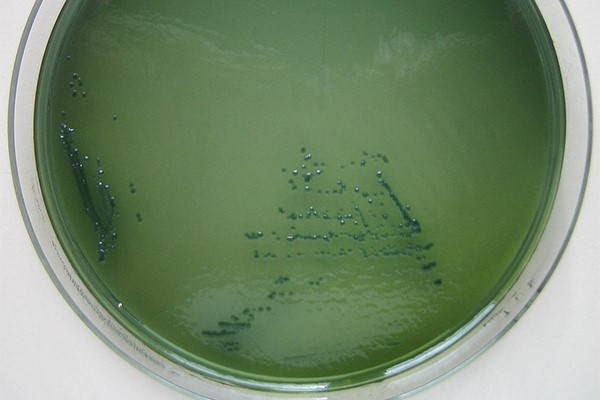
Researchers have developed a groundbreaking point-of-care detection method for Vibrio parahaemolyticus, a bacterium responsible for many foodborne illnesses. The new platform, leveraging recombinant polymerase amplification (RPA) and the CRISPR/Cas12a system combined with an immunochromatographic test strip (ICS), offers a “low-cost, simple and visually intuitive solution” for the rapid detection of this pathogen in seafood. This new method marks a substantial improvement in food safety and public health measures.
Vibrio parahaemolyticus is a Gram-negative, halophilic bacterium prevalent in marine environments and is the primary cause of acute hepatopancreatic necrosis, also known as early death syndrome, in aquaculture. It represents a considerable public health hazard, especially by consuming raw or undercooked seafood. The bacterium can contaminate seafood surfaces, leading to foodborne outbreaks. Current detection methods, which rely on microbial isolation, culturing, and biochemical identification, are too slow for effective point-of-care testing (POCT).
However, scientists from the Shanghai Academy of Agricultural Sciences have unveiled a novel detection platform that identifies Vibrio parahaemolyticus within 30 minutes.
This breakthrough overcomes the drawbacks of traditional culture-based methods, offering a faster, more accessible approach to monitoring seafood safety. The innovation could significantly reduce the risk of foodborne illness from seafood.
“Our innovative detection platform represents a significant advancement in the rapid and sensitive detection of Vibrio parahaemolyticus, proving especially valuable for ensuring seafood safety and preventing public health crises,” said Dr. Haijuan Zeng, the corresponding author and leader of the Biotechnology Research Institute at the Shanghai Academy of Agricultural Sciences.
This new method could lead to a rapid, cost-effective solution for use during food handling or at points of sale, shortening the detection timeframe and potentially averting foodborne illness outbreaks before contaminated products reach consumers.
By Responsible Seafood Advocate
Read more:
- Researchers explore a single-cell protein from soybean processing wastewater as an aquafeed ingredient
- What is the path to viable alternatives to shrimp eyestalk ablation?
- Aquafeed supplementation with crystalline amino acids